


For every someone’s daughter in that exam room.
You’re here because you received a First Pap Smear Care Kit from Someone’s Daughter & Co.
This page is your companion space, and the button above lets you download your included Pap Prep Calm Guide anytime.
If your stomach flips every time someone mentions a Pap smear, you’re not alone. This guide is your gentle companion—something you can read slowly with a cup of tea, so that when you walk into the exam room, you know what’s happening, what you’re allowed to ask for, and how deeply your body deserves care.



Disclaimer: Information here is educational and not a substitute for professional medical advice, diagnosis, or treatment. Always seek personalized guidance from your own healthcare provider.
What a Pap Smear is
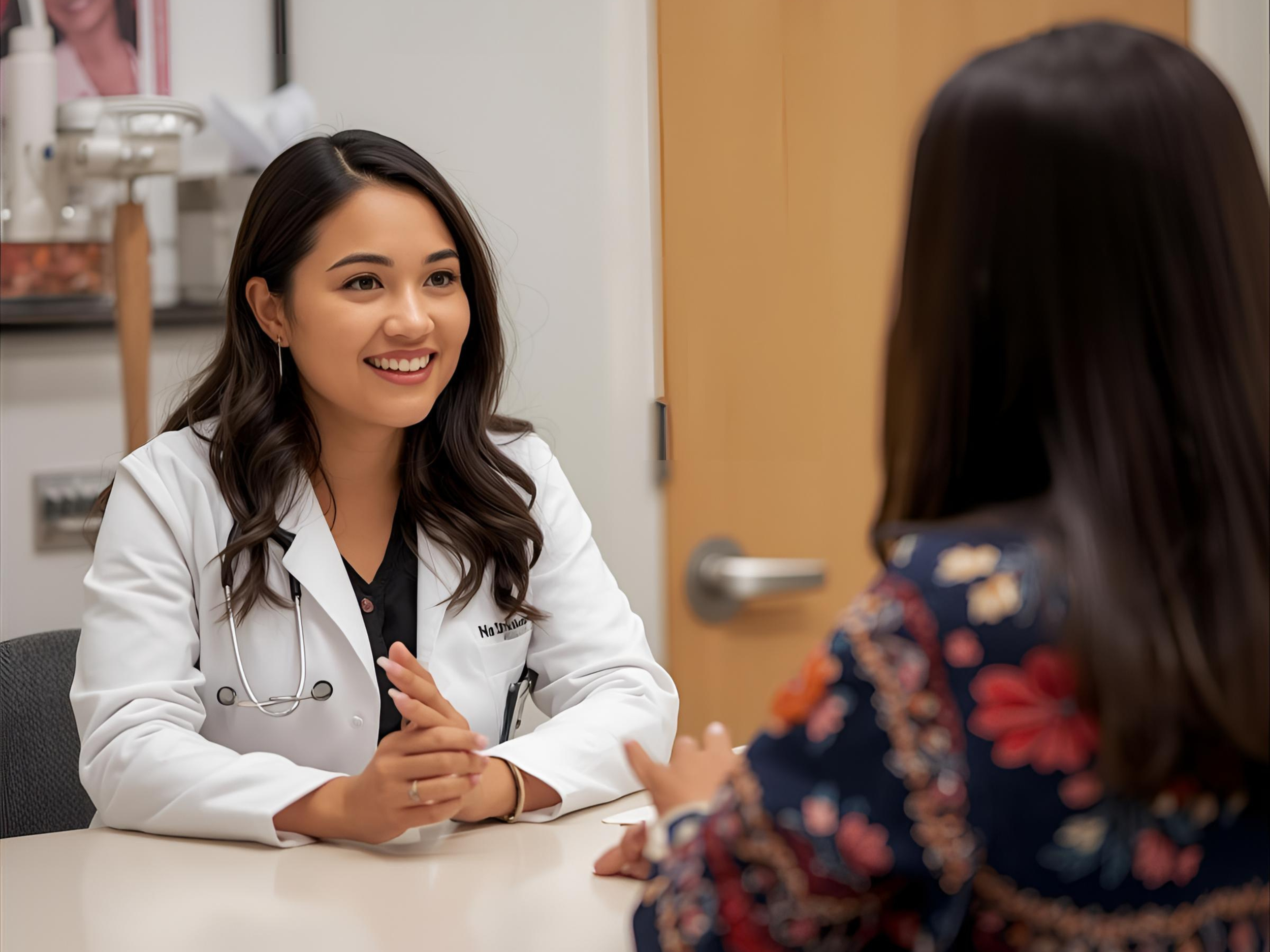
A Pap smear is a screening test that looks for changes in the cells of your cervix.
It helps find precancerous changes early, when they’re easier to treat.
The sample itself usually takes less than a minute.
Many people start screening in their early 20s and repeat it every few years, depending on their results and the provider’s advice.
It’s always okay to ask, “Do I actually need a Pap smear today, and why?”
How to prepare (without spiraling)
Try to schedule your appointment for a time when you’re not on your period, if possible.
Jot down your questions and worries in your phone or on a card.
Decide whether you’d like a support person to come with you.
Wear soft, comfortable clothes and socks—small comforts matter.
Use the bathroom before you change; it’s normal to ask.
Remind yourself: Feeling nervous doesn’t mean you’re weak. It means your brain is trying to keep you safe.
Nourishing foods
You don’t have to eat perfectly to be a healthy woman. Think “gentle upgrades,” not pressure.
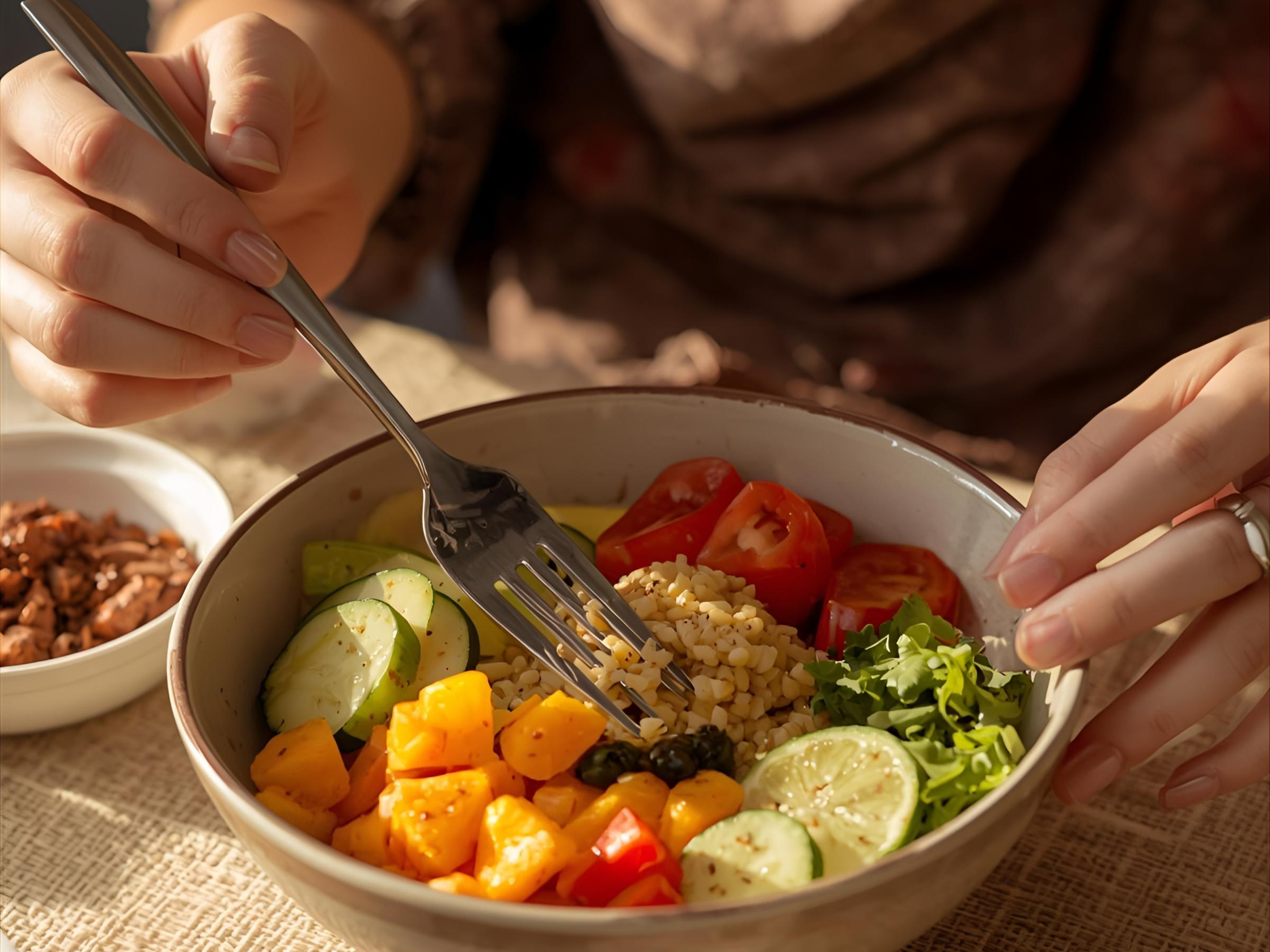
Anchor your plate: Aim for ½ veggies, ¼ protein, ¼ smart carbs (beans, whole grains, sweet potato) most of the time.
Stay hydrated: Water, herbal tea, and low-sugar drinks help with energy, digestion, and vaginal health.
Steady blood sugar: Pair carbs with protein or fat (fruit + nuts, crackers + cheese, yogurt + seeds) to avoid energy crashes and mood dips.
Support your cycle: Iron-rich foods (beans, lentils, leafy greens, eggs) and vitamin C–rich foods (citrus, berries, peppers) help replenish what you lose in your period.
Gentle rule: Add before you restrict. Ask, “What can I add that will make this meal more nourishing?”
Movement that feels like real life
You don’t have to live at the gym. Your body benefits from small, consistent doses of movement.
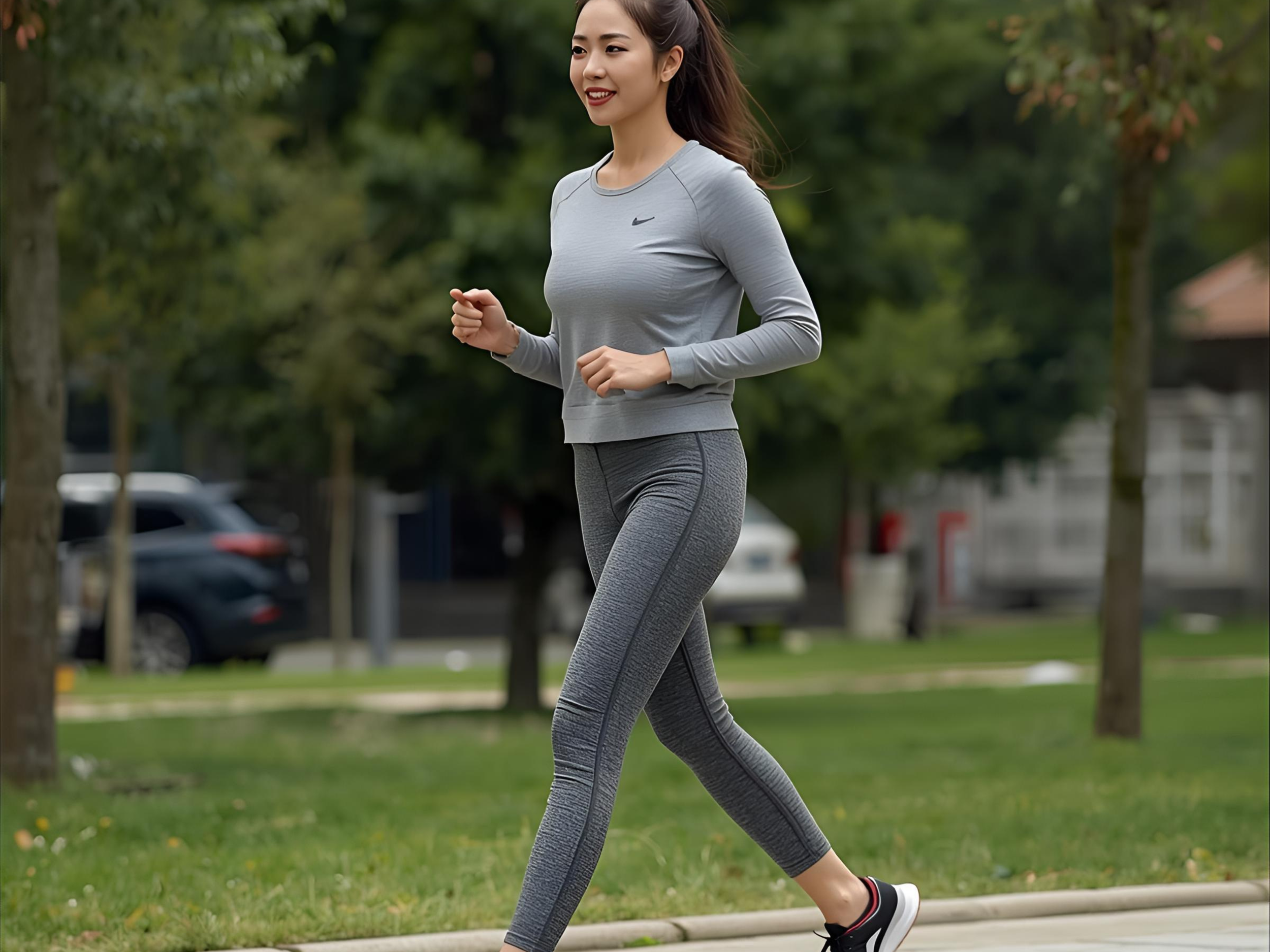
10–15 minute walks after meals can support blood sugar, digestion, and stress relief.
Light strength work (body-weight squats, wall push-ups, resistance bands) helps protect bones and muscles as estrogen changes over time.
Stretching + mobility keep hips, back, and pelvic area more comfortable before and after exams or procedures.
Cycle-aware movement: On period or low-energy days, think stretching, walking, or gentle yoga instead of “pushing through.”
Kind metric: Ask, “Do I feel a little more alive afterward?” rather than chasing punishment or perfection.
Community & support
Women’s health is easier to carry in community than in silence.
Share your Pap date or health goals with one safe person so you don’t have to hold it all by yourself.
Create tiny rituals with friends or family: “Pap + coffee,” “mammogram + brunch,” “lab work + walk in the park.”
Join or start a small group chat where you can say, “I finally booked the appointment,” and get quick encouragement.
Let trusted people drive you, sit in the waiting room, or check on you afterward—this is not “being needy,” it’s being human.
If your current circle minimizes your health, it’s okay to seek new spaces—support groups, online communities, or faith communities that honor women’s bodies.
Journaling as a way to listen to your body
You don’t have to be a “journal person” to let pen and paper help you.
Use 5 minutes to answer, “What is my body trying to tell me today?” (energy, pain, mood, cravings).
Before appointments, jot down questions, fears, and hopes so you’re not trying to remember them on the table.
After exams or procedures, write: “What went well? What was hard? What do I want to do differently next time?”
Track patterns—sleep, mood, cycle, pain—to notice when your body needs extra care or a doctor’s visit.
Add a spiritual layer if you like: prayers, gratitude lists, or a simple line like, “Right now, I choose to treat my body as someone worth caring for.”